
Internal threading may appear straightforward, but the choice of tap can significantly influence thread quality, tool life, machining time, and component rejection. Businesses looking for HSS hand taps suppliers in Pune should therefore understand the basic differences between tap designs before selecting tooling for a workshop or production requirement.
HSS, or high-speed steel, is widely used for taps because it combines useful hardness with toughness and wear resistance. HSS taps can be suitable for threading a range of materials when the tap geometry, cutting conditions, lubrication, and hole preparation are properly matched to the application.
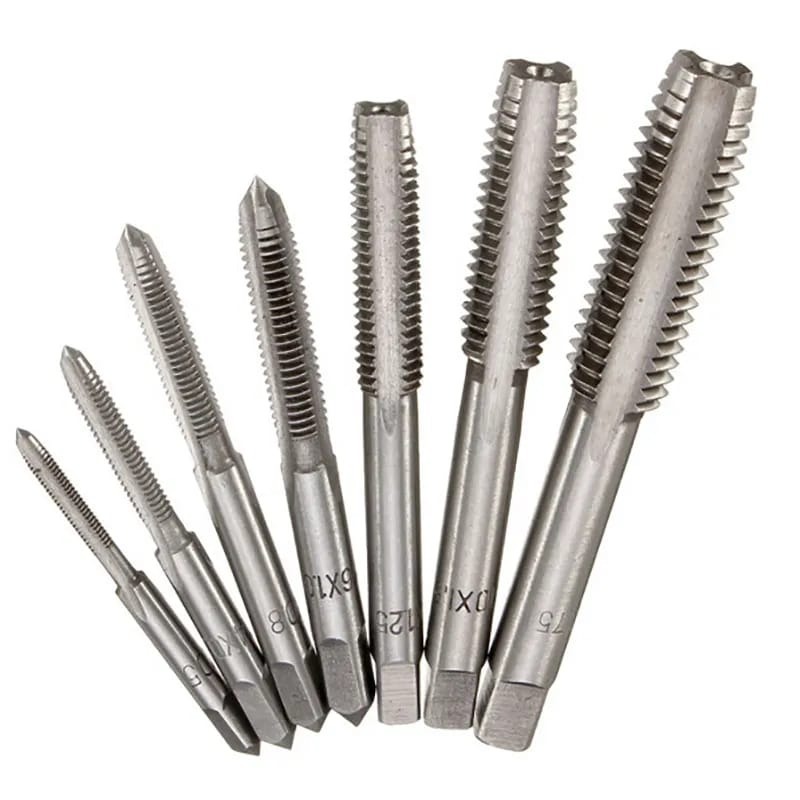
Hand taps are commonly supplied as sets that perform threading progressively. Depending on the design and standard, the set may include taper, second, and plug or bottoming-style taps. The gradual cutting action can make manual threading easier and reduce the load placed on an individual cutting edge.
Before selecting a tap, users should establish several details about the job:
Thread diameter
Thread pitch
Blind or through-hole configuration
Workpiece material
Required thread depth
Hole diameter before tapping
Manual or machine-assisted operation
Production quantity
The pre-drilled hole size deserves particular attention. A hole that is too small increases cutting load and can contribute to tap breakage. A hole that is too large may produce an incomplete thread with insufficient engagement. Following the recommended tapping drill size is therefore an important part of achieving consistent results.
Workpiece material also affects performance. Mild steel, stainless steel, cast iron, aluminium, brass, and other engineering materials behave differently during cutting. The same tap and cutting parameters may not deliver identical results across all materials.
Lubrication is another practical consideration. Suitable cutting fluid can reduce friction, improve surface finish, assist chip management, and extend tap life in many applications. However, the appropriate lubricant depends on both the workpiece and the threading process.
Pune's manufacturing base includes automotive suppliers, fabrication units, tool rooms, maintenance workshops, machine manufacturers, and precision component producers. These businesses may use hand taps for maintenance jobs, prototype development, repair work, low-volume components, and general engineering applications throughout Maharashtra.
Tap failure is often blamed entirely on tool quality, but process conditions should also be investigated. Misalignment, incorrect drilling, poor chip evacuation, excessive force, inadequate lubrication, or using the wrong tap geometry can all contribute to premature failure.
Perfect Tools Centre supplies tooling and measurement products for engineering requirements in Pune. When selecting HSS hand taps, sharing the thread specification, workpiece material, hole type, and intended method of use gives the supplier a clearer basis for identifying a suitable option.
A well-selected tap is only one part of successful threading. Correct hole preparation, alignment, lubrication, chip control, and operating technique work together to produce accurate threads. Understanding these factors helps workshops make more informed tooling decisions while reducing avoidable thread damage and tool breakage.