
When a VMC milling operation begins producing chatter marks, inconsistent surface finish, premature insert failure, or excessive spindle load, the insert is often blamed first. In reality, the cutter body, machine setup, workholding, tool overhang, cutting parameters, and insert selection operate as one system. Buyers searching for CNC VMC cutter bodies suppliers in Chennai should therefore evaluate the complete machining condition.
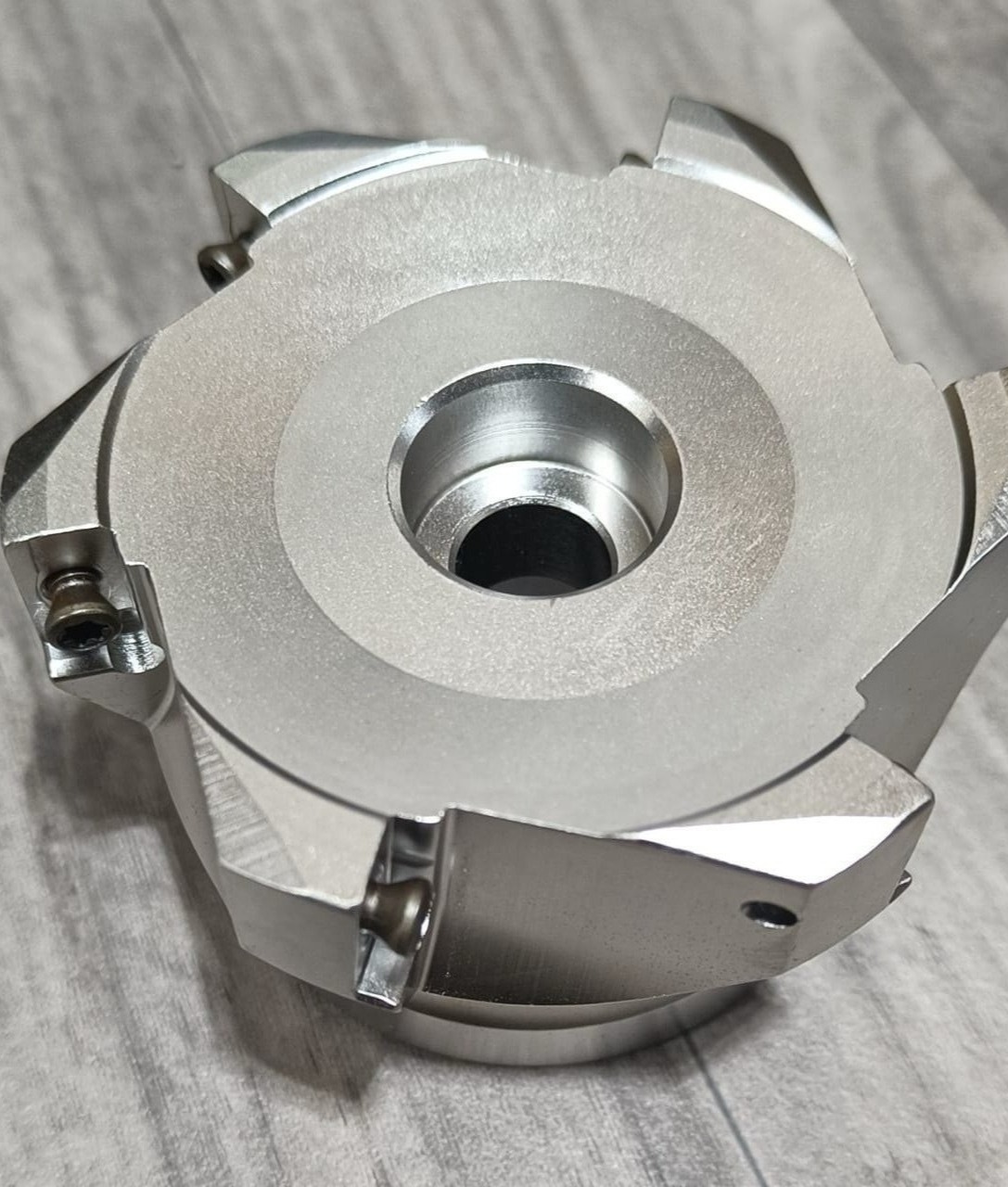
A cutter body carries the replaceable inserts and transfers cutting forces through the tool holder and spindle. Its diameter, number of teeth, insert pocket condition, geometry, and application suitability can all affect machining behaviour.
Vibration is one of the most common concerns. Excessive overhang, weak component clamping, unsuitable cutting parameters, or an inappropriate cutter configuration can create chatter. Simply reducing speed without identifying the source may provide only temporary improvement.
When diagnosing a milling problem, check the following sequence:
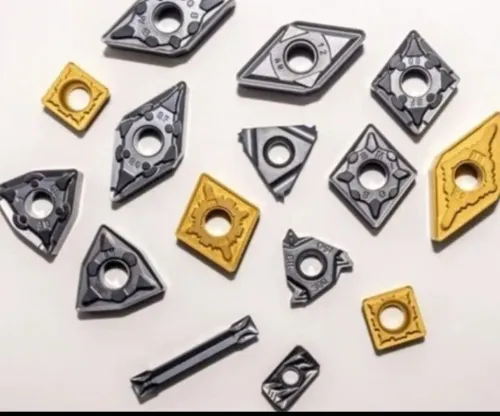
Confirm that the cutter body and inserts are intended to work together.
Inspect insert pockets and screws for damage or contamination.
Check tool runout and holder condition.
Reduce unnecessary tool overhang.
Verify component clamping and fixture rigidity.
Review speed, feed, axial depth, and radial engagement.
Examine insert wear patterns.
Confirm whether coolant or dry machining is appropriate for the application.
Poor surface finish can also result from damaged insert pockets or inconsistent insert seating. If one insert projects differently from the others, cutting load may not be distributed evenly.
The number of cutting edges engaged also affects performance. A cutter with a particular pitch may work well in one operation but behave differently in another depending on machine power, workpiece stability, chip evacuation, and material.
For manufacturers in Chennai, VMC cutter bodies are used across automotive components, dies and moulds, machine parts, fixtures, general engineering components, and precision production. The appropriate cutter for machining aluminium may differ substantially from one selected for steel, stainless steel, or cast iron.
Cost should therefore be assessed through machining economics rather than purchase price alone. A lower-priced cutter body that causes unstable cutting, repeated insert damage, or poor surface quality can become expensive in production. Conversely, the highest-cost option is not automatically necessary for every job.
Perfect Tools Centre supplies machining tools for industrial users in Chennai and can evaluate cutter-body requirements using practical application details. Useful information includes the VMC model, spindle interface, workpiece material, machining operation, cutter diameter, existing insert, required surface finish, and current production problem.
It is also worthwhile to keep basic records of tool life and machining parameters. Recording insert life, component count, failure mode, feed, speed, and depth of cut provides useful evidence when comparing tooling changes.
A stable milling process usually comes from correctly matching all elements of the setup. Instead of repeatedly changing carbide grades when problems appear, manufacturers should inspect the cutter body, tool holding, workholding, parameters, and insert application together. This systematic approach can improve surface consistency, reduce unexpected insert failures, and make VMC machining easier to control.