
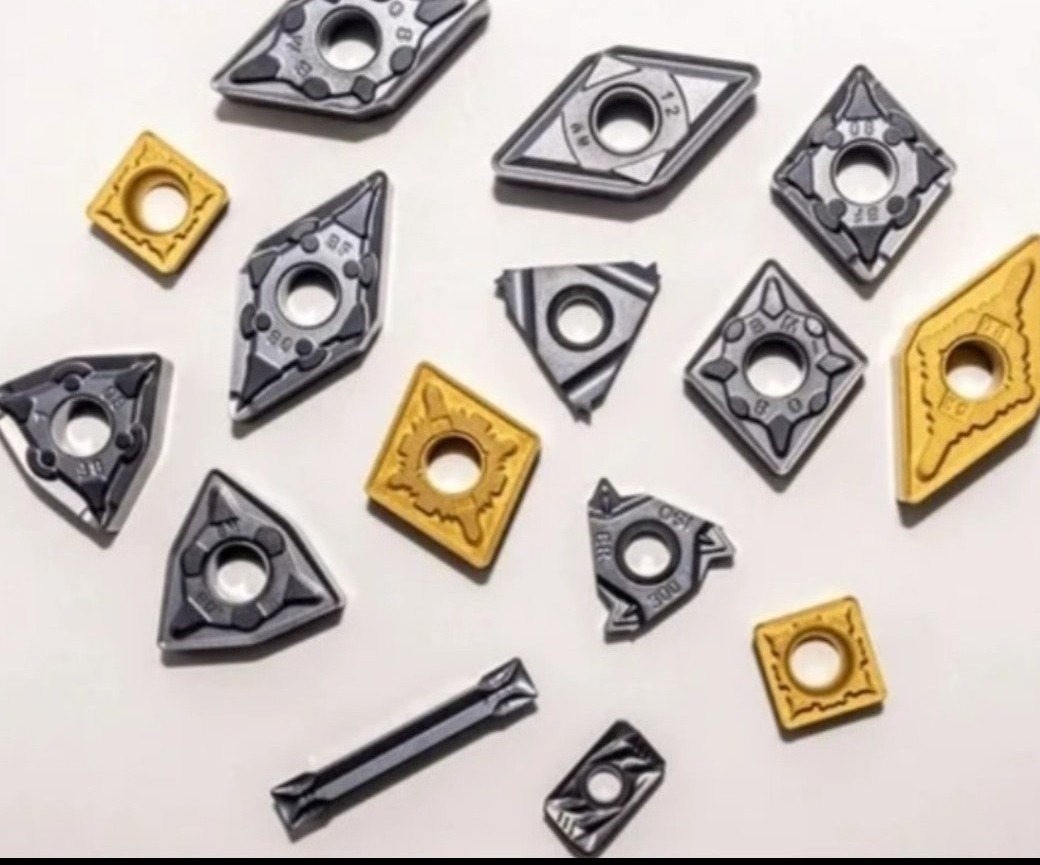
Buying replacement carbide inserts can appear straightforward when the existing insert box is still available. The process becomes more complicated when markings are worn, an old tool holder remains in service, or a machining problem requires a different grade or chipbreaker.
For machine shops sourcing ISCAR carbide inserts in Bengaluru, accurate identification is essential. Inserts that look nearly identical can differ in geometry, grade, coating, chipbreaker, tolerance, or application range. A small mismatch can affect fitment and cutting performance.
The safest starting point is the complete designation printed on the existing insert packaging or documented in the tooling records. If this is unavailable, the holder designation and current insert markings can help narrow the requirement.
Before ordering replacement inserts, collect the following information:
Complete insert code, if available
Tool holder or cutter body designation
Workpiece material
Machining operation
Roughing or finishing requirement
Cutting speed and feed
Depth of cut
Continuous or interrupted cutting
Current tool-life issue
Required surface finish
Why does the workpiece material matter? Carbide grades and chipbreaker geometries are designed for different cutting conditions. An insert performing reliably on carbon steel should not automatically be expected to provide identical results on stainless steel, cast iron, or another material.
The operation is equally important. Turning, facing, profiling, boring, grooving, and milling impose different demands on the cutting edge. Even within turning, a roughing application removing substantial material differs from a light finishing pass.
Buyers should also avoid assuming that a harder grade will always last longer. Wear resistance is valuable, but cutting-edge toughness is also important. Interrupted cuts, unstable setups, scale, or vibration can expose a brittle edge to chipping. Grade selection therefore involves balancing wear resistance with toughness for the actual operation.
Chipbreaker selection can significantly affect machining behaviour. A geometry designed for light finishing may not control chips effectively during heavy roughing, while a heavy-duty geometry may not be appropriate for very light cuts. Feed and depth of cut should fall within a suitable operating region for the selected geometry.
In Bengaluru's CNC manufacturing market, insert availability has a direct relationship with machine utilization. A production line designed around a specific insert can lose valuable machine time when replacements are not planned. Shops handling repeat components often maintain minimum stock levels based on average insert consumption and procurement lead time.
At the same time, excessive inventory can lock working capital into grades and geometries that may later become less relevant. Tooling records can help purchasing teams maintain a sensible balance.
When evaluating a supplier, look for the ability to identify the correct insert rather than simply provide something physically similar. A supplier familiar with CNC tooling should be able to work from insert codes, holder details, workpiece materials, and machining requirements.
Perfect Tools Centre serves Bengaluru's machining sector with cutting-tool requirements that include ISCAR carbide inserts. Providing accurate application information when requesting inserts can help reduce identification errors and make discussions about alternative grades or geometries more meaningful.
For repeat production, documenting successful tooling combinations is worthwhile. Record the insert designation, holder, cutting parameters, workpiece material, average edge life, and any relevant observations. This turns tooling selection from repeated trial and error into a controlled manufacturing decision.
The best carbide insert purchase is not necessarily the lowest-priced box. It is the insert that fits the tooling correctly, suits the material and operation, performs predictably, and remains practical to source for ongoing production in Bengaluru.